
Remembrance
As I continue into the unknown, I take 2 minutes of silence to reflect on how I feel.

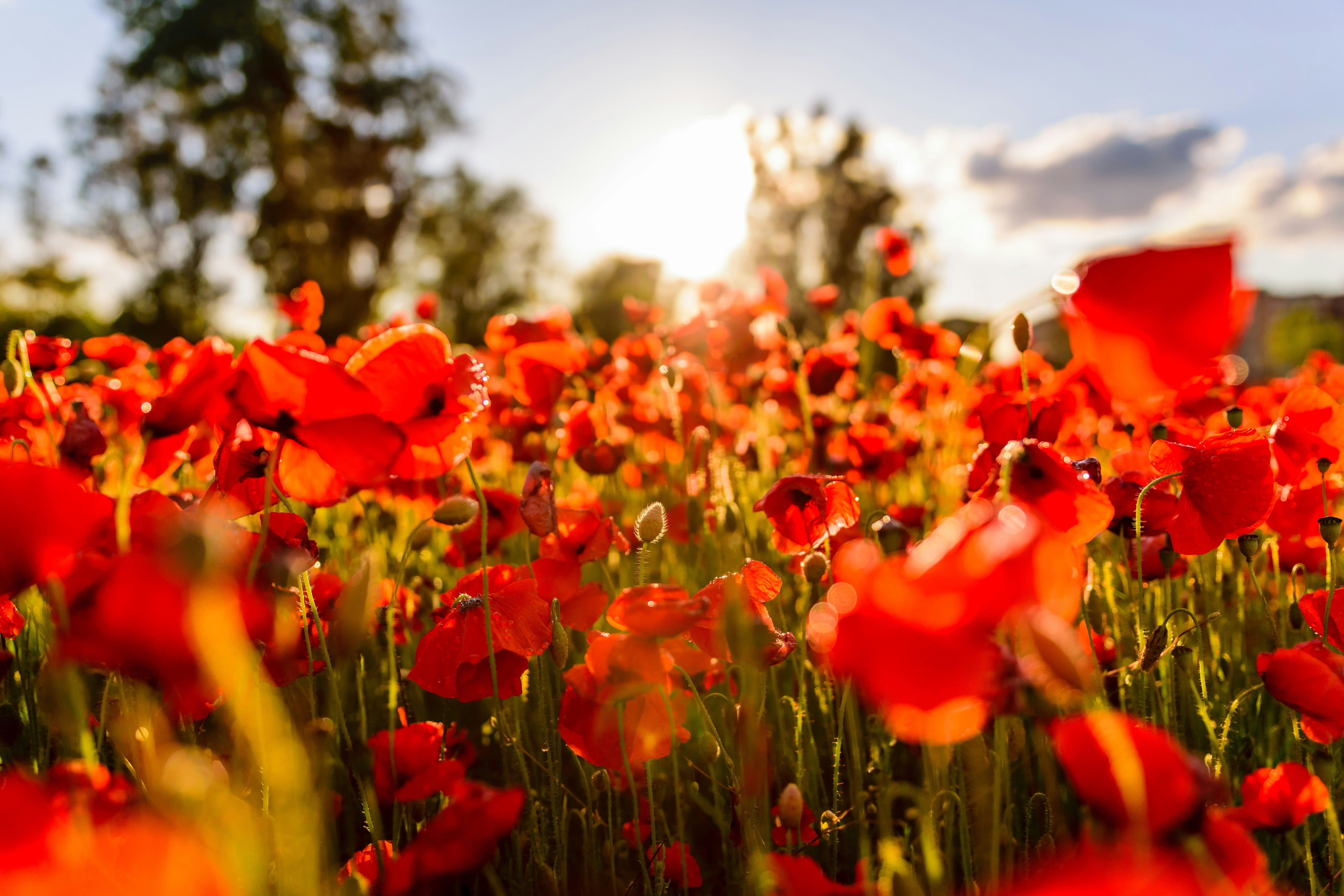
Today is Remembrance Day in the UK, a day dedicated since 1919 to commemorate the sacrifice of those who died in conflict. The solemnity of the ceremonies this week have touched me deeply. During the traditional Sunday Service, I felt unexpectedly relieved at being given permission to grieve in public for the first time this year. Even if it was for only two minutes. My children were mortified to see me publicly crying for the first time since Mark died in January. Although they admitted, it was hard to hear the words which have been recited at every remembrance service since I was a child. They had a profound new meaning for me this year:
“They shall grow not old, as we that are left grow old:
Age shall not weary them, nor the years condemn.
At the going down of the sun and in the morning
We will remember them.”~ Laurence Binyon, from ‘Ode of Remembrance’
November 11th is also the anniversary of my husband’s last day of paid work. A year ago, he’d been given a prognosis of 3-6 weeks to live. He’d been quietly finishing his work, whenever he felt well enough to give it some effort, because he wanted to get the job done before he “left for good”. It was this strength of integrity which gave him the courage to write his last post on LinkedIn. This last act changed my life, and the lives of our children - it has been incredibly humbling to witness our mutual network’s response since that day. The support we’ve received from this tribute has been nothing short of astounding.
Lasting Impact
These ‘lasts’ were moments we knew were happening, as they happened. The last meeting, last PowerPoint, last meal. I went back to the same restaurant this evening with his colleagues, to be where they had last seen him. We shared our memories the private, personal and professional. We remembered the man we had loved and known. Many more moments followed the one they shared last year, most of them were unknown ‘lasts’. Only after he died did I know to search the photo albums, re-read the Whatsapp messages or scour my memory for confirmation of final acts. As Binyon eulogises, “Straight of limb, true of eye, steady and aglow … Against odds uncounted.” For each final act I’ve needed my own account in my heart to carry me forwards. And in his last hours of work he held his own heart up high as he fell, with his “face to the foe”. Now thanks to his sincerity, only his strength is remembered.
Today I’m reflecting on what it means to do ‘good work’. There’s no doubt in my mind that Mark is a deficit to the working world. He loved his job - the people, the product, the purpose. He tried his best to employ good people, tell them the truth, grow them and support them. His legacy is felt by anyone who worked with him. They tell me now that they've been changed by him; starting new ventures, becoming bolder, being kinder or more courageous. I wish I could tell him how much he mattered to so many.
On that last day of work he did his best thinking, gave the team one last chance to listen to his ideas. He helped them to create and grow. He offered them his honest truth and poured forth his heart’s longing for them. At the end of the day, despite their differences, they hugged knowing they’d never see each other again. Then he came home to recover from the effort, and died 65 days later.
If you knew you had 1570 hours left to live, would you give any of those hours to your workmates? Why not? You might want to try to make that answer a yes, from tomorrow onwards. What would you do with your energy each day, if you knew it might be the last time you felt any energy at all? Would you write a PowerPoint, have the difficult conversation, or say the thing which nobody else is saying, because everyone needs to know? He did all of these things in his last 6 hours of paid employment.
“They mingle not with their laughing comrades again;
They sit no more at familiar tables of home;
They have no lot in our labour of the day-time;
They sleep beyond England’s foam.”~ Laurence Binyon, from ‘Ode of Remembrance’
Heart At War
Today I’m wondering how I can help more people to find a transformational level of peace between the personal and professional - I suppose you could call it an armistice of the head and heart, while living. Many of us struggle to reconcile opposing parts of ourselves. We might want to balance life, do meaningful work, or be a force for good, but the awkward truth around that is it takes great effort to achieve those aspirations. We’re naturally resistant to change, especially the transformational form. And our fear of the consequences often prevents us from making our dreams a reality.
A ‘heart at war’ is the internal state of conflict, felt when your actions don’t align with your beliefs. Your thoughts will be driven by the desire to avoid negative or difficult emotions. It sounds like the need to be right or justify your position. Rather than striving for a place of peaceful understanding, it’s likely that a heart at war will blame others or cause conflict. A conflicted heart might act to please others or lash out with venom. It sees others as objects to overcome or problems to fix. These hearts tend to resist reality, reject compromise or refuse to see new perspectives. But our circumstances would be better if those hearts weren’t quite so rigid. If only more hearts were at peace in this world.
Perhaps it’s because too many hearts are still at war that our world leaders continue to be willing to send our beloveds to die. Because each of us is loved, by someone somewhere. We need a day of remembrance as a ritual to guard the honour of the dead, and pledge our willingness to do our best to prevent more pain and loss for the living. If nothing else, let this day remind you of the lessons - death is a gift to show you how to live.
I’d have thought today would make me feel sad but, despite being broken, my heart is at peace. After a year of grieving, I’m extremely aware of how precious that feeling is. I’ve had to accept so much more loss than only the brilliant product manager and business leader at work. The loving Dad, caring brother, passionate friend, doting son, committed life-partner and incredible husband are also gone. His premature passing left so many beautiful truths for us to live into; my broken heart expects the working world to do better, without me having to mourn for it. Unlike fatherhood, our marriage, his friendships, brotherhood, and all the other continuous bonds he created, his role at work could be completed. Although never finished, he knew that his job was done. There’s always more work to do, but in paid employment there’s always someone else who can do it.
Only Love
The thing I believe death teaches us is that we can only take love with us when we’re gone. We must never forget, nothing survives but love. Connection, recognition, trust, care, forgiveness, compassion, respect, gratitude, discipline, honesty, nurture, clarity, service, appreciation … These are some of the ways we can love others, even our colleagues. We can’t take the PowerPoint, profit ledger, or project plan with us when we go. Only our impact on others is carried forwards. Were we loved? Did we love? Was truth expanded by our presence? Are others better because we were here? Could we nurture more than we destroyed …. My grief has taught me that nothing matters more than relationships.
“But where our desires are and our hopes profound,
Felt as a well-spring that is hidden from sight,
To the innermost heart of their own land they are known
As the stars are known to the Night;”~ Laurence Binyon, from ‘Ode of Remembrance’
We transcend death by ‘doing good’ in life, whatever that means in our own heart. It’s measured at work and at home, everywhere we walk, talk and breathe. The universe is indifferent to where you act, only that you act, with love. My lovely husband measured himself by his own values throughout his final year. And he supports me still, because he did his best to live with integrity in every hour he was given. His picture lends me silent strength now, as I march through my days; I can hear his voice whenever I need him; his devoted words are etched in my mind; I have his love embedded in my bones. Because he is the same in death as he was in life; age shall not weary his vice on me.
His work as a father and a husband was not done, yet I can only do my best to carry his strength onwards. At least he made himself known to me. By being authentic he built a legacy which anyone who knew him can now point to and say, “That’s Mark”. In this way I live for him, he gives me strength and those who loved him remain around me, in his honour. We live in remembrance.
How Are You?
Brave, kind people sometimes cautiously ask me, “But how are you really?” They typically wait for a quiet moment, when my children aren’t around, to check that I’m really as OK as I seem. I’m aware that they watch me closely, waiting to see how their question lands. Of course I have many, many moments when my heart is not at peace. I understand their caution, nobody likes to make anyone cry over dinner. The pain of Mark’s absence is intolerable to me; I cry my eyes out regularly; my heart does not yet actually believe that he is gone. But you may not see me cry when you ask me almost any question. Everyone who cares for me is afraid of hurting me, and of course the harm is already done.
If you’d been in the crowd who saw me standing through the “The Last Post” on Sunday, then you’d understand how I really feel. As the bugle played I prayed to the sky for the courage to survive another year. Tears streamed down my face, as I held my head up high, because I will continue onwards regardless. With my eyes and heart open wide I will survive.
I want to be able to tell the world that we’re OK, but I doubt I’ll be able to say that for many years to come. I exist for my children; how can I say that I’m OK until they are safely into adulthood. And so my work is never done. As the poem says, I remember in the morning and as the sun goes down. There isn’t an hour of any day when I don’t think of him. Even when I’m doing my paid work he has his hand on my back, reminding me that I’m meant to do ‘good work’.
On this day I’m simply grateful that he found his heart’s peace at the end. For my love to die in peace is as greater gift as any he could give me. In his soldiering he showed me how to persist, and so in my heart he will always be remembered with strength.
“As the stars that shall be bright when we are dust,
Moving in marches upon the heavenly plain;
As the stars that are starry in the time of our darkness,
To the end, to the end, they remain.”~ Laurence Binyon, from ‘Ode of Remembrance’
Through your words, I feel your sorrow and your strength. My hands are on your back across the ocean. Beautiful message.
One hope that I had for Mark was that in departing he could show his authentic strength and dignity as this would then be passed on to you and the children to carry you forwards. Im really thankful he managed to do this.